When Crisis Becomes Routine: Understanding the Risks
August 19, 2024
Ted Gavin, CTP, NCPM
Managing Director & Founding Partner
Corporate Recovery
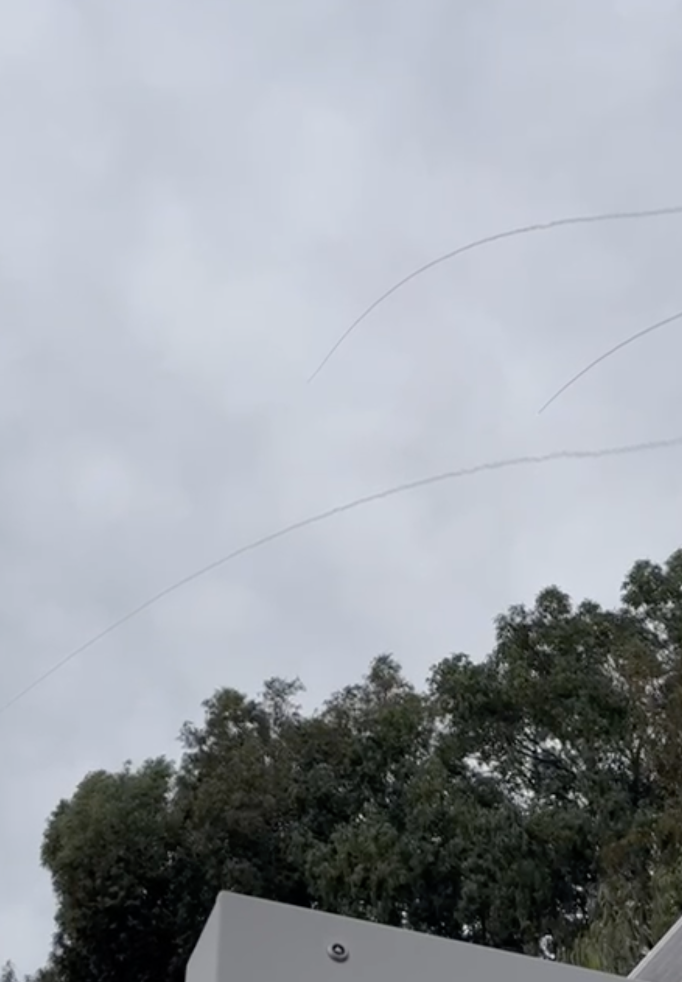
I was recently reminded of how the constant beat of crisis numbs you to the true risk of your situation. I was in Israel just 30 hours when the first missiles came. I never heard the air raid sirens. The rockets were headed for Jerusalem in the late afternoon on a Friday; I was in a car headed for Ra’anana for a Shabbat dinner thanks to the kind invitation of a friend of a friend. I didn’t even know it happened until I learned about it later. The next morning, while at a local synagogue, the Rabbi mentioned that, should the sirens go off again, we should follow one of the employees to the shelter, or we could follow the Rabbi to her room. “It’s a nice room,” she said, just as casual and comfortable as she could be.
It was three days later, on Tuesday, when I heard sirens. I’d never been in an active war zone before, and the loud sirens announced the impending arrival of attack rockets from Gaza. My pulse raced. I ran with my fellow volunteers and a group of soldiers to the bomb shelter (a very small concrete cube next to one of the buildings in which we were working) and realized it was way too small for the number of people lined up behind me to enter. I gave my spot to three teenage girls who were volunteering alongside our group. I waited outside for the attack to pass, gazed into the southeastern sky to see if the rockets would find us or not.
The third time I heard the sirens was on my way to the airport to fly home. There was no shelter available – only gasoline-filled cars all around – exactly where you do not want to be when explosives and shrapnel could come raining down on you. The passage of time and circumstances had effectively eliminated my options. So I – like many Israelis I encountered – shrugged. I barely looked up to watch the interceptor missiles race across the sky, followed by the telltale black puffs and dull explosive thuds of successful missile defense. “This means my bus will be late. Sigh.”
I was surprised how quickly complacency descended, even in the middle of an active war zone. Complacency similarly settles over distressed businesses with astonishing speed. A liquidity hiccup one day can quickly become standard operating procedure that people just learn to live with – a dangerous sense of security that, step-by-step, will move a business from comfort to disaster. Too often, we move quickly from “it’s a crisis! The world is ending!” to “well, we’ll just work around it,” without giving much thought to larger dynamics at play.
When a crisis becomes routine, it can hide real risk. On one hand, it’s a testament to the remarkable human ability to adapt. On the other hand, losing sight of the larger health of the business as a result of focusing on the granular problem of today can be the beginning of the end. When fighting to simply survive becomes routine, your options begin to shrink and the courses of action for a business eventually narrow to selecting from among the worst options.
So what do you do? Listen to the sirens and take action. What may feel like a temporary cash crunch could be signs of a much larger challenge for your business. It is important to seek outside counsel – starting with your board – to assess the first signs of trouble and take aggressive action. At Gavin/Solmonese, we have a suite of expertise to help you take that next warning sign as seriously as you should take the first siren – and avoid the complacency that lets businesses drift deeper and deeper into life-threatening territory.