The Saks Bankruptcy: When a Luxury Brand Meets Balance Sheet Reality
January 29, 2026
Ted Gavin, CTP, NCPM
Managing Director & Founding Partner
Corporate Recovery
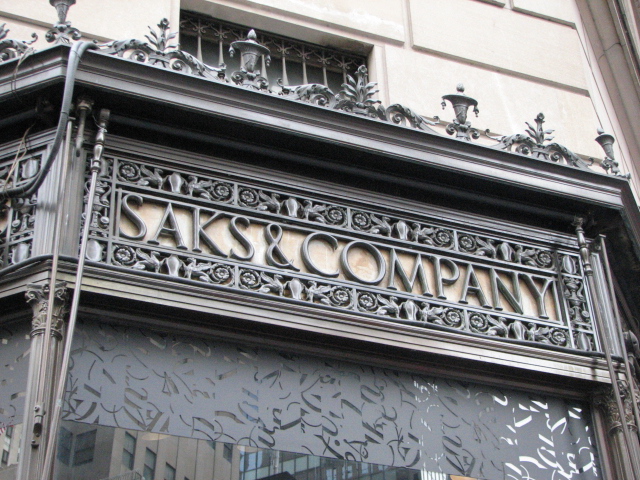
Luxury brands like to tell a simple story. Heritage matters. Customers are loyal. The brand will carry the day.
But bankruptcy tells a different one.
The recent filing by Saks, which sought Chapter 11 bankruptcy protection, is not about fashion trends or consumer tastes. It is about leverage, liquidity, and a capital structure that stopped working once conditions changed. That is a familiar story in retail restructurings, even at the high end of the market.
What makes the Saks bankruptcy worth paying attention to is not that a well-known name filed. It’s how the business arrived here, what the filing reveals about modern retail balance sheets, and what creditors and stakeholders should take away from it.
This Was Not a Sudden Collapse
Bankruptcies like this rarely come out of nowhere. By the time a company files, the warning signs have usually been visible for years.
In Saks’ case, those warning signs trace back well before the current retail downturn, most notably to its acquisition of Neiman Marcus. That deal was pitched as a scale play in luxury retail, combining two iconic brands under one umbrella to create efficiencies, broaden reach, and better compete in an increasingly digital, margin-pressured environment. But the transaction also layered significant debt onto an already challenging business model.
Rather than creating flexibility, the combined capital structure constrianed it. The acquisition increased leverage at a time when department stores were facing structural headwinds: shifting consumer behavior, rising fulfillment and labor costs, and mounting pressure to invest heavily in digital capabilities while still supporting expensive brick-and-mortar footprints. Interest expense became a persistent drag, crowding out optionality and leaving less room to respond when conditions deteriorated.
Those pressures intensified as the broader retail environment grew less forgiving. Inventory management became harder, markdown risk increased, and margins compressed. When interest rates rose and liquidity tightened, the balance sheet left little margin for error. What may have been manageable in a low-rate, growth-friendly environment became untenable once capital got more expensive.
Luxury positioning did not change that math. If anything, it amplified the downside. High-end retailers carry significant fixed costs and rely heavily on discretionary spending from a relatively narrow customer base. When that spending softens, stress shows up quickly. In Saks’ case, the legacy of the Neiman Marcus acquisition meant the impact of those stresses were magnified, not absorbed, turning a cyclical downturn into a balance-sheet problem that ultimately demanded a restructuring solution.
What the Capital Structure Signals
One of the fastest ways to understand a bankruptcy is to stop reading the narrative sections and focus on the capital stack.
Saks entered this process with a structure that assumed stability. That assumption didn’t hold. Debt that might have been manageable in a low-rate environment became restrictive once conditions shifted. The result was a loss of optionality rather than a sudden operational failure.
Key structural issues that typically show up in cases like this include:
- Leverage levels that leave little margin for earnings volatility
- Interest expense that absorbs cash needed for operations
- Limited refinancing flexibility once market conditions change
When these elements align, bankruptcy becomes less about reinvention and more about containment.
Why This Case Is About Leverage, Not Fashion
It is tempting to frame the Saks bankruptcy as a story about changing shopping habits or digital competition. Those factors do matter, but they’re secondary in this case.
The primary driver is actually financial structure. A business can have a recognized brand, loyal customers, and strong vendor relationships, and still be constrained by debt that no longer fits the operating reality. Once that happens, incremental operational improvements do not move the needle.
This is why so many retail restructurings converge on the same conclusion. If the balance sheet is the problem, the solution has to start there.
What Creditors and Stakeholders Should Watch
For creditors, this type of filing raises predictable but important questions. Where does enterprise value really sit once projections are stress-tested? Can the business survive, let alone thrive, after factoring in the costs of debt service? How much value is tied to ongoing operations versus separable assets? How long does the business have without additional capital support?
These questions drive leverage in negotiations and shape plan dynamics. They also tend to become contested early, particularly when recoveries are expected to be tight.
In retail cases, valuation disputes often focus on:
- The realism of forward-looking projections
- Normalization adjustments tied to post-pandemic performance
- Assumptions about consumer demand and margin stability
Once these assumptions are challenged, the case often shifts from consensual to adversarial.
The Broader Retail Restructuring Pattern
Saks fits squarely into a broader retail restructuring pattern that has been developing for years.
Many retailers took advantage of cheap capital and refinanced aggressively. That strategy worked while rates were low and consumer behavior was predictable. When both changed, the same leverage that once looked efficient became a constraint.
The result is a wave of filings that reflect structural imbalance more than operational incompetence. Few companies are going bankruptcy because management has, somehow, fundamentally forgotten how to sell a widget to the public. These cases are less about dramatic turnarounds and more about capital realism.
Why Valuation and Litigation Issues Will Matter
Cases like this rarely remain purely consensual. When enterprise value is tight and recoveries are contested, valuation moves to the center of the case. So does the potential for litigation around solvency, transfers, and creditor treatment.
In that environment, financial analysis stops being descriptive and becomes strategic. Numbers frame negotiations. They influence mediation posture. They shape outcomes.
In high-profile retail bankruptcies, the case often turns on whose valuation framework survives scrutiny and whose assumptions fall apart when challenged. Feasibility rules the day – and when it doesn’t, the company often finds itself a repeat player in Chapter 22 case (a second Chapter 11).
Story Summary
What is the central issue in the Saks bankruptcy?
The Saks bankruptcy centers on a capital structure that became unsustainable once market conditions changed. The filing reflects leverage and liquidity constraints rather than a failure of brand strength or consumer relevance.
Why does the article argue this was not a sudden collapse?
The article explains that the warning signs were visible well before the filing. High debt levels, rising interest expense, and reduced operational flexibility left Saks with limited options once rates increased and liquidity tightened.
What role does Chapter 11 play in this case?
Chapter 11 bankruptcy protection allows Saks to restructure its balance sheet while continuing operations. The process is designed to preserve enterprise value, manage creditor negotiations, and address leverage issues without an immediate liquidation.
Why is this case described as being about leverage rather than fashion?
The article emphasizes that brand recognition and customer loyalty do not offset a misaligned balance sheet. Financial structure, not retail trends or merchandising decisions, drove the need for restructuring.
Why are valuation and litigation issues likely to matter?
When enterprise value is tight and recoveries are contested, valuation assumptions become central. Disputes over projections, normalization, and consumer demand often push cases from consensual negotiations into adversarial proceedings.